Possibility of liquid smoke from plant waste as an anti-termite agent to protect traditional houses in Indonesia: a systematic review
Keywords:
Cultural heritage preservation, Termite control, Wood vinegar, Traditional houses, IndonesiaAbstract
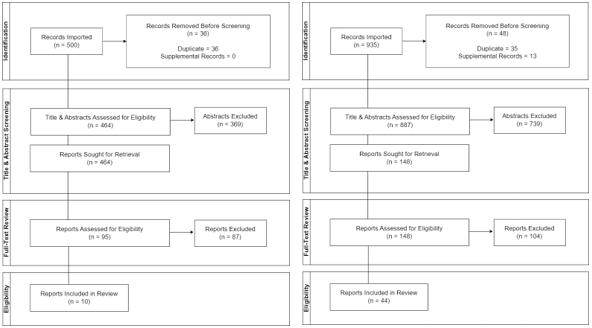
Indonesia is a country with a rich diversity of traditional houses that represent various ethnic groups and cultures. However, these traditional houses are increasingly being abandoned due to deterioration and termite infestations. One potential method to preserve these cultural assets is by utilizing liquid smoke. This study aims to provide a valuable reference for protecting traditional houses in Indonesia from termite infestations. Liquid smoke is eco-friendly because it utilizes waste from plant species readily available in Indonesia. This systematic review follows the reporting guidelines for Synthesis Without Meta-Analysis (SWiM). The study identifies three termite families commonly found in residential areas of Indonesia: Kalotermitidae, Rhinotermitidae, and Termitidae. Most frequently reported species are Macrotermes gilvus and Coptotermes curvignathus. The liquid smoke can be produced from 13 plant species from eight families distributed across Indonesia, effectively controlling termite populations. These plant families include Apocynaceae, Arecaceae, Dipterocarpaceae, Fabaceae, Lamiaceae, Lauraceae, Meliaceae, and Poaceae. Utilizing waste from these plants to produce liquid smoke offers an environmentally friendly alternative for termite control. The application of liquid smoke can play a crucial role in protecting traditional houses in Indonesia from termite infestations, thereby ensuring that these cultural symbols of ethnic identity and heritage are preserved.
Downloads
References
1. Arimbi KR. Berselancar ke 34 rumah adat Indonesia yuk! [in Bahasa]. Jakarta, Badan Pengembangan dan Pembinaan Bahasa, 2017.
2. Tsai M-T, Sugiharto WA. Achieving sustainability of traditional wooden houses in Indonesia by utilization of cost-efficient waste-wood composite. Sustainability. 2018; 10: 1718.
3. Atmanti FP, Uekita Y. Adaptive Reuse of Vernacular Architecture for Conservation in Indonesia: Case Study of South Nias Village, Bawömataluo Conservation Project. ACH 2023; 15: 64.
4. Suprapti A, Sejati AW, Pandelaki EE. Archiving traditional houses through digital social mapping: an innovation approach for living heritage conservation in Java. JAU. 2022; 46: 33-47.
5. Wibowo AP. Changes in the Use of Building Materials in Traditional Houses in Indonesia. In: Awang M, Meor M Fared MR, eds. ICACE 2019, vol. 59, Singapore: Springer Singapore, 2020: 71-78.
6. Yusran YA. Ex-Situ Conservation on Nusantara Architecture: Implementation and Challenges (An Overview towards TMII and Stübing Freilichtmuseum). IJSCER. 2016; 5: 5-11.
7. Tarigan J, Nursyamsi N, Harahap MPS, et al. The Traditional House in North Sumatera Against the Earthquake: A Case Study of Karo and Toba. IJAREI. 2022; 4: 66-77.
8. Reddy MV, Sammaiah C. Combined effects of climatic factors on the seasonal termite damage to structural wood in a semi-arid urban system. Energy and Buildings. 1991; 16: 947-955.
9. Arinana A, Aldina R, Nandika D, et al. Termite Diversity in Urban Landscape, South Jakarta, Indonesia. Insects. 2016; 7: 20.
10. Manoppo JSS, Putra RE, Dungani R, et al. The diversity and distribution of residential termites in the Minahasa Raya Region, North Sulawesi Province, Indonesia. Biodiversitas. 2024; 25: 39-48.
11. Saputra A, Sari V, Ayu F, et al. Termites Attack on Residential Houses at Sialangmuggu, Tuah Madani, Pekanbaru. JES-TM. 2022; 2: 80-86.
12. Hasan MDK, Tugiyono T, Setyaningrum E, et al. Diversity of Termite Species Based on Building Age in Balik Bukit District, West Lampung-Lampung. Biosfer: Jurnal Tadris Biologi. 2022; 13: 183-190.
13. Mandagi P, Pinaria AG, Watung JF, et al. Control Of Subterranean Termite Pests Coptotermes sp.(Blattodea: Rhinothermitidae) Using Coconut Shell Liquid Smoke. Jurnal Agroekoteknologi Terapan. 2023; 4: 370-380.
14. Oramahi HA, Diba F. Anti-Termites Properties of Liquid Smoke from Bintangur Wood. Jurnal Sylva Lestari. 2021; 9: 400-410.
15. Subekti N, Yoshimura T. Activity of Bamboo Wulung’s Smoke Gigantochloa atroviolace againts Subterranean Termites and Fungi Attack. AGRIVITA Journal of Agricultural Science. 2020; 42: 541-547.
16. Campbell M, McKenzie JE, Sowden A, et al. Synthesis Without Meta-Analysis (SWiM) in Systematic Reviews: Reporting Guideline. BMJ. 2020; 368: 1-6.
17. Stewart LA, Clarke M, Rovers M, et al. Preferred reporting items for a systematic review and meta-analysis of individual participant data: the PRISMA-IPD statement. JAMA. 2015; 313: 1657-1665.
18. Caldwell JAM. Indonesia: A Profile. International Affairs. 1962; 38: 284-284.
19. Dawson B, Gillow J. The traditional architecture of Indonesia. London, Thames and Hudson. 1994.
20. Wijaya PY, Purwanto SA. Studi Rumah Adat Suku Osing Banyuwangi Jawa Timur [in Bahasa]. Simposium Nasional RAPI XVI. 2017: 117-123.
21. Febryano IG, Harum OMA, Wulandari C, et al. Raw material of Besemah traditional house construction in Indonesia. Folia Forestalia Polonica. 2021; 63: 74-80.
22. Mantani K, Fauzan M. Desain dan Analisis Struktur Bangunan Adat Sumatera Barat Terhadap Ketahanan Gempa [in Bahasa]. Jurnal Teknik Sipil dan Lingkungan. 2019; 4: 25-36.
23. Noviarti N, Irsa R, Putra A, et al. Preserving Minangkabau Traditional Building In West Sumatera, Indonesia: Toward Sustainable Community. MJSS. 2013.
24. Subekti N, Fadhila A. Termite identification attacks on buildings. Biosaintifika: J Biol Educ. 2023; 15: 255-261.
25. Ghaly A, Edwards S. Termite damage to buildings: Nature of attacks and preventive construction methods. Am J Eng Appl Sci. 2011; 4: 187-200.
26. Black HIJ, Okwakol MJN. Agricultural intensification, soil biodiversity and agroecosystem function in the tropics: the role of termites. Applied Soil Ecology. 1997; 6: 37-53.
27. Jouquet P, Traoré S, Choosai C, et al. Influence of termites on ecosystem functioning. Ecosystem services provided by termites. Eur J Soil Biol. 2011; 47: 215-222.
28. Rahman T, Herwina, Mairawita, et al. Identification of Termites (Insecta: Isoptera) from Anthropogenic Area in Universitas Andalas Campus Complex, West Sumatra, Indonesia. IOP Conf Ser: Earth Environ Sci. 2022; 1059: 012084.
29. Subekti N, Priyono B, Aisyah AN. Biodiversity of Termites and Damage Building in Semarang, Indonesia. J Bio Bio Edu. 2018; 10: 176-182.
30. Annisa S, Hestiningsih R, Hadi M. Keragaman Spesies Rayap di Kampus Universitas Negeri Semarang Gunungpati Semarang [in Bahasa]. Jurnal Kesehatan Masyarakat. 2017; 5: 577-584.
31. Helmiyetti, Darmi, Wesa RO. The Species and Abundance of Subterranean Termites (Insecta: Isoptera) in the Area of University of Bengkulu: Bengkulu, Indonesia. KOBICINC. Atlantis Press. 2021.
32. Savitri A, Martini M, Yuliawati S. Keanekaragaman Jenis Rayap Tanah dan Dampak Serangan Pada Bangunan Rumah di Perumahan Kawasan Mijen Kota Semarang [in bahasa]. Jurnal Kesehatan Masyarakat. 2016; 4: 100-105.
33. Pratiknyo H, Haryanto T, Apriyanto DN. Diversity, density and distribution of termites in housing complexes in Purwokerto, Central Java, Indonesia. Biodiversitas. 2020; 21: 5729-5735.
34. Rosalina TT, Riani E, Sugiarti S. An environmental friendly pesticide from bintaro (Cerbera odollam gaertn) liquid smoke for pine wood preservation against a subterranean termite Captotermes curvignathus Holmgren attack. Rasayan J Chem. 2016; 9: 438-443.
35. Habibi M, Puspitasari DE, Gunawan A, et al. Konservasi Cagar Budaya dengan Asap Cair [in Bahasa]. JKCB. 2017; 11: 49-50.
36. Wititsiri S. Production of wood vinegars from coconut shells and additional materials for control of termite workers, Odontotermes sp. and striped mealy bugs, Ferrisia virgata. Songklanakarin J Sci Tech. 2011; 33(3): 349-354.
37. Diba F, Setyawati D. Durability of Particleboard From Oil Palm Trunk (Elaeis Guineensis Jacq) with Addition Liquid S. Jurnal Hutan Lestari. 2014; 2: 10414.
38. Oramahi HA, Yoshimura T, Diba F, et al. Antifungal and antitermitic activities of wood vinegar from oil palm trunk. J Wood Sci. 2018; 64: 311-317.
39. Oramahi H, Yoshimura T, Rusmiyanto E, et al. Antifungal and antitermitic activities of vinegars from two biomass resources at different pyrolytic temperatures. J App Biol Sci. 2020; 14: 26-38.
40. Indrayani Y, Oramahi HA. Evaluasi Asap Cair sebagai Bio-Termisida untuk Pengendalian Rayap Tanah Coptotermes sp. [in Bahasa]. Jurnal Ilmu Kehutanan. 2011; 1: 87-96.
41. Oramahi HA, Tindaon MJ, Nurhaida N, et al. Termicidal Activity and Chemical Components of Wood Vinegar from Nipah Fruit against Coptotermes curvignathus. J Korean Wood Sci Technol. 2022; 50: 315-324.
42. Subekti N, Maulana S, Budiman K, et al. Preference of subterranean termites Macrotermes gilvus Hagen (Blattodea: Termitidae) control using smoke wood and borax. Eco Env Cons. 2021; 27(4); 1949-1952.
43. Oramahi HA, Yoshimura T. Antifungal and antitermitic activities of wood vinegar from Vitex pubescens Vahl. J Wood Sci. 2013; 59: 344-350.
44. Oramahi H, Purwati P, Zainal S, et al. Efikasi Asap Cair Dari Kayu Laban (Vitex pubescens) Terhadap Rayap Coptotermes curvignathus. J Trop Plant Pests Dis. 2014; 14: 71-79.
45. Adfa M, Romayasa A, Kusnanda AJ, et al. Chemical Components, Antitermite and Antifungal Activities of Cinnamomum parthenoxylon Wood Vinegar. J Korean Wood Sci Technol. 2020; 48: 107-116.
46. Adfa M, Kusnanda AJ, Saputra WD, et al. Termiticidal activity of Toona sinensis wood vinegar against Coptotermes curvignathus Holmgren. Rasayan J Chem. 2017; 10: 1088-1093.
47. Arsyad WOM, Efiyanti L, Trisatya DR. Termiticidal Activity and Chemical Components of Bamboo Vinegar against Subterranean Termites under Different Pyrolysis Temperatures. J Korean Wood Sci Technol. 2020; 48: 641-650.
48. Nandika D, Rismayadi Y, Diba F. Rayap: Biologi dan pengendaliannya [in Bahasa]. Surakarta; Universitas Muhammadiyah Surakarta Surakarta. 2003.
49. Andina KS, Harahap IS, Mubin N. Potential of clove essential oil against subterranean termite Macrotermes gilvus Hagen (Blattodea: Termitidae). Mortality. 2022; 10: 100.
50. Wesa RO. The Species and Abundance of Subterranean Termites (Insecta: Isoptera) in the Area of University of Bengkulu. 3rd KOBI Congress, International and National Conferences (KOBICINC 2020), Atlantis Press, 2021: 158-164.
51. Anjelia V, Rizki A, Jauharlina J, et al. Investigation of termite attack, Macrotermes gilvus Hagen (Termitidae: Blattodea), to cocoa (Theobroma cacao). IOP Conference Series: Earth and Environmental Science, vol. 1297, IOP Publishing, 2024: 012047.
52. Sayuthi M. Rayap Macrotermes gilvus (Hagen) (Isoptera: Termitidae) sebagai Hama Penting pada Tanaman Jarak Pagar (J. curcas) di Kebun Induk Jarak Pagar (KIJP) Pakuwon Sukabumi Jawa Barat [in Bahasa]. JBioEd. 2012; 4: 56-60.
53. Edwards R, Mill AE. Termites in buildings. Their biology and control. 1986.
54. Rilatupa J. Kondisi komponen konstruksi bangunan tinggi dan hubungannya dengan karakteristik serangan rayap [in Bahasa]. J Sains Teknologi. 2006; 16: 71-86.
55. CheongYew L, Prastyo KC, SawEng K, et al. The status of two species of subterranean termites, Coptotermes curvignathus and Coptotermes sepangensis in oil palm. Malaysia, Incorporated Society of Planters. 2017.
56. Bignell DE, Roisin Y, Lo N. Biology of termites: a modern synthesis. Springer Science & Business Media, 2010.
57. Inoue T, Vijarnsorn P, Abe T. Mound structure of the fungus-growing termite Macrotermes gilvus in Thailand. J Trop Ecol. 1997; 13: 115-124.
58. Davis RW, Kamble ST. Distribution of sub-slab injected Dursban TC (chlorpyrifos) in a loamy sand soil when used for subterranean termite control. Bull Environ Contam Toxicol. 1992; 48(4): 585-591.
59. Itakura S, Ohdake J, Takino T, et al. Colony suppression and possible colony elimination of the subterranean termites Coptotermes formosanus and Reticulitermes speratus by discontinuous soil treatment using a diluent of fipronil suspension concentrate. Insects. 2021; 12: 334.
60. Chouvenc T. Subterranean Termite (Coptotermes gestroi (Blattodea: Rhinotermitidae)) colony elimination through exposure to a novaluron CSI bait formulation in laboratory. J Econ Entomol. 2021; 114: 1249-1255.
61. Schoknecht U, Rudolph D, Hertel H. Termite control with microencapsulated permethrin. Pest Sci. 1994; 40: 49-55.
62. Andy, Malaka R, Purwanti S, et al. Liquid smoke characteristic from coconut shell and rice husk. IOP Conf Ser: Earth Environ Sci. 2021; 788: 012078.
63. Ayudiarti DL, Sari RN. Liquid smoke and its applications for fisheries products. Squalen Bull Mar Fish Postharvest Biotechnol. 2010; 5: 101-108.
64. Lingbeck JM, Cordero P, O’Bryan CA, et al. Functionality of liquid smoke as an all-natural antimicrobial in food preservation. Meat Sci. 2014; 97: 197-206.
65. Jannatan R, Rahayu R. The effectiveness of organic kitchen waste as a repellent against German cockroaches (Blattella germanica L.). DYSONA-Life Science. 2023; 4: 30-35.
66. Jannatan R, Satria R. Potensi Eco-Enzim dan Asap Cair sebagai Repelen terhadap Semut Hama Rumah Tangga Monomorium pharaonis L [in Bahasa]. Prosiding Seminar Nasional Sains dan Teknologi Terapan.2022; 5: 490-496.
67. Abnisa F, Arami-Niya A, Daud WW, et al. Utilization of Oil Palm Tree Residues to Produce Bio-oil and Bio-char via Pyrolysis. Energy Convers Manag. 2013;76:1073-1082.
68. Demiral İ, Ayan EA. Pyrolysis of grape bagasse: effect of pyrolysis conditions on the product yields and characterization of the liquid product. Bioresour Technol. 2011; 102: 3946-3951.
69. Nakai T, Kartal SN, Hata T, et al. Chemical characterization of pyrolysis liquids of wood-based composites and evaluation of their bio-efficiency. Building and Environment. 2007; 42: 1236-1241.
70. Komarayati S, Wibowo S. Karakteristik asap cair dari tiga jenis bambu [in Bahasa]. Jurnal Penelitian Hasil Hutan. 2015; 33: 167-174.
71. Pamori R, Efendi R, Restuhadi F. Karakteristik asap cair dari proses pirolisis limbah sabut kelapa muda [in Bahasa]. Sagu. 2015; 14: 43-50.
72. Evans TA, Forschler BT, Trettin CC. Not just urban: the Formosan subterranean termite, Coptotermes formosanus, is invading forests in the Southeastern USA. Biol Invasions. 2019; 21: 1283-1294.
73. Wang C, Powell JE, Liu Y. A literature review of the biology and ecology of Coptotermes formosanus (Isoptera: Rhinotermitidae) in China. Sociobiology. 2002; 40: 343-364.
74. Kartal SN, Imamura Y, Tsuchiya F, et al. Preliminary Evaluation of Fungicidal and Termiticidal Activities of Filtrates from Biomass Slurry Fuel Production. Bioresource Technology. 2004; 95: 41-47.
75. Mohan D, Pittman CU, Steele PH. Pyrolysis of Wood/Biomass for Bio-oil: A Critical Review. Energy Fuels. 2006; 20: 848-889.
76. Yatagai M, Nishimoto M, Hori K, et al. Termiticidal Activity of Wood Vinegar, Its Components and Their Homologues. J Wood Sci. 2002; 48: 338-342.
77. Akbar AM, Yudono A, Wikantari R, et al. Local wisdom values as philosophy of buginese aristocratic traditional house form in bone south Sulawesi. Journal of Xi’an Shiyou University. 2019; 16: 62-71.
78. Toughan MM, Sallam AA, Abd El-Latif AO. Pyrethroid resistance and its mechanism in field populations of the sand termite, Psammotermes hypostoma Desneux. Int J Bioeng Life Sci. 2017; 11: 738-743.
Downloads
Published
Issue
Section
License
Copyright (c) 2025 Authors

This work is licensed under a Creative Commons Attribution-NonCommercial 4.0 International License.